Kidney Stone Causes and Prevention Tips
Recognizing the Risks During National Kidney Month
March is National Kidney Month, a time dedicated to raising awareness about kidney health and common conditions that affect millions of Americans. One of the most painful and frequently diagnosed kidney conditions is kidney stones. In fact, roughly 1 in 10 people will develop a kidney stone at some point in their lives.
Understanding what causes kidney stones and how to prevent them can help protect your kidney health and reduce the likelihood of future complications.
What Are Kidney Stones?
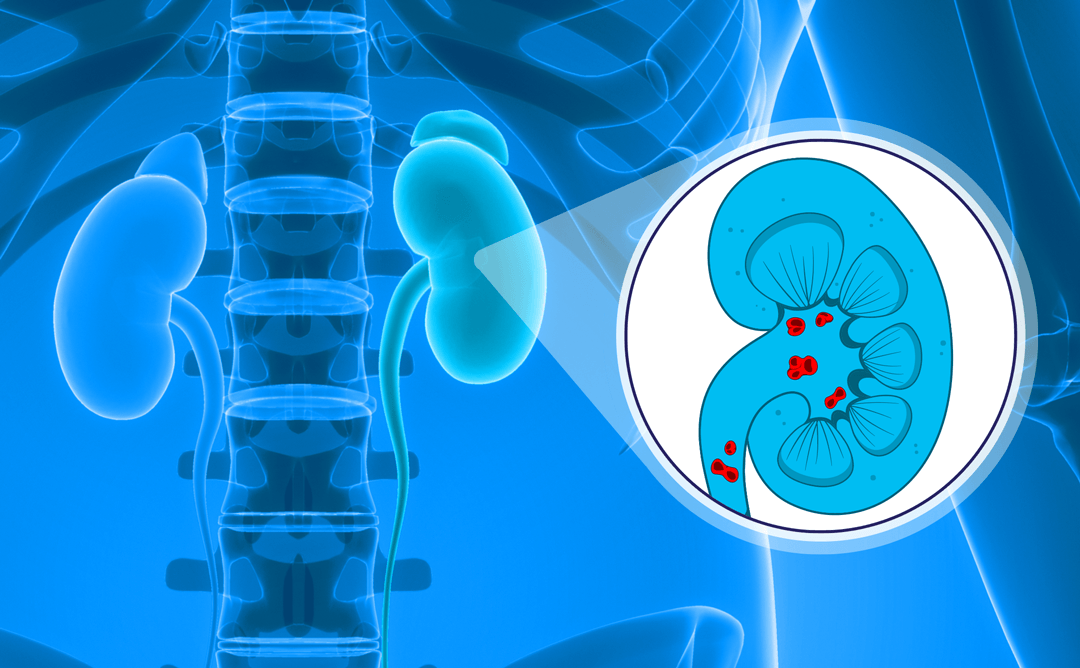
A kidney stone is a hardened buildup of minerals that form in the kidneys. When there is not enough fluid to dilute the urine, certain minerals can bind together and slowly develop into stone-like deposits.
These stones can range in size from tiny grains of sand to larger stones that block the urinary tract. While smaller stones may pass naturally, larger stones can cause significant pain and require medical treatment.
Common symptoms include:
- Severe pain in the side, back or lower abdomen
- Pain that radiates toward the groin
- Blood in the urine
- Nausea or vomiting
- Frequent or painful urination
If these symptoms occur, medical imaging is often needed to confirm the diagnosis and guide treatment.
How Kidney Stones Are Diagnosed
Medical imaging plays an important role in detecting kidney stones. Computed tomography (CT) scans are considered the gold standard imaging test for identifying kidney stones, helping physicians locate the stone, determine its size and rule out other conditions.
Advanced imaging allows healthcare providers to make quick and accurate diagnoses so patients can receive appropriate treatment as soon as possible.
Common Causes of Kidney Stones
Kidney stones can develop for several reasons, often related to diet, lifestyle or underlying health conditions.
1. Dehydration:
One of the most common causes is not drinking enough fluids. When the body is dehydrated, urine becomes more concentrated, increasing the likelihood that minerals will form crystals.
2. Diet and Nutrition:
Certain dietary factors may increase risk, including:
- High sodium intake
- Diets high in animal protein
- Foods high in oxalates, such as spinach or nuts
3. Medical Conditions:
Some medical conditions can increase the likelihood of developing kidney stones, including:
- Gout
- Digestive diseases or surgeries
- Urinary tract abnormalities
4. Genetics:
Family history can also play a role. If someone in your family has experienced kidney stones, your risk may be higher.
Tips to Help Prevent Kidney Stones
While kidney stones are common, there are several steps you can take to reduce your risk.
- Stay Hydrated: Drinking plenty of water helps dilute urine and prevents minerals from forming crystals. Many health experts recommend six to eight glasses of water per day for kidney health.
- Reduce Sodium Intake: A diet high in salt can increase calcium levels in urine, which may contribute to stone formation. Limiting sodium and choosing whole foods can help reduce risk.
- Maintain a Balanced Diet: Eating a balanced diet rich in fruits and vegetables supports kidney health. In many cases, getting calcium from foods rather than supplements may also help reduce stone risk.
- Moderate Animal Protein: Large amounts of red meat, poultry and eggs can increase substances in urine that contribute to kidney stones.
- Talk to Your Doctor About Risk Factors: If you have had kidney stones before or have risk factors, your healthcare provider may recommend additional dietary or medical strategies to prevent recurrence.
Supporting Kidney Health Through Early Detection
Kidney stones can cause severe discomfort, but early detection and proper diagnosis can make a significant difference in treatment and recovery. National Kidney Month is a great time to focus on kidney health, learn about risk factors and take steps toward prevention. If you suspect you may be experiencing kidney stones, discuss your symptoms with your doctor and request a referral to DRI for medical imaging.
Disclaimer: The information in this post is intended for general educational purposes and is not a substitute for professional medical advice. Please consult a qualified healthcare provider for personalized diagnosis and treatment recommendations.